
 by
by 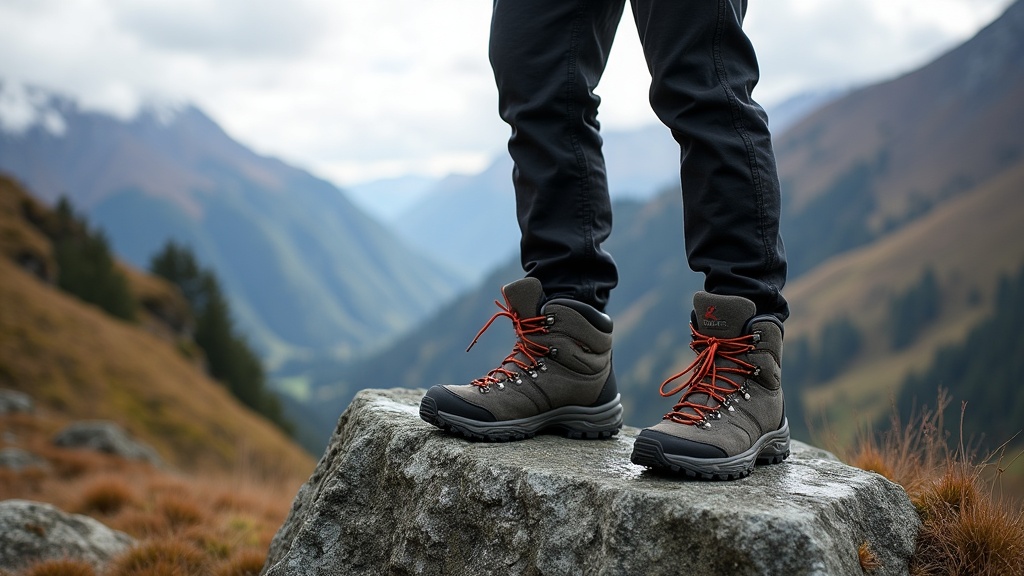
Trail runners are lighter, dry faster, and feel brilliant on smooth DOC paths. Boots win when the track turns to ankle-deep mud or alpine scree. New Zealand has both on the same day.
When I Wear What
- Runners: Hooker Valley, Abel Tasman coastal sections, urban Queenstown walks
- Boots: Tongariro, Milford, Routeburn, anything with river crossings
| Factor | Trail runners | Boots |
|---|---|---|
| Weight | Low | Higher |
| Ankle support | Minimal | Better |
| Mud | Struggle | Cope |
| Dry time | Fast | Slow |
For Roys Peak I want ankle support on the descent. For Queenstown day trips runners are fine if the forecast is dry.
Whatever you choose, break them in before a Great Walk. Blisters at km 4 are a personality test nobody passes gracefully.
Hybrid Option
Approach shoes split the difference. I use them on Abel Tasman and urban-linked walks. Still not my pick for Tongariro scree.
Waterproof boots stay wet longer. In warm rain, I sometimes prefer draining runners plus spare socks in a ziplock.
Sock Game
Merino liner plus thicker outer sock prevented most blisters for me. Cotton is the enemy on any distance over 8km.
Try both systems on the same local hill before committing to a Great Walk shoe choice.
How I Choose Now
I stopped being ideological. Boots for multi-day load and rough scree. Trail runners for fast day trips on formed tracks.
- Boots: Routeburn, Tongariro descent, muddy hut approaches
- Runners: Hooker Valley, Abel Tasman firm sections, urban hill walks
Fit matters more than brand. Try boots with your actual pack weight, not empty in a shop.
Wet feet happen either way in NZ. Carry blister care and spare socks regardless of shoe type.
If you are unsure, read the DOC track description for surface and exposure. Mud keywords mean boots unless you enjoy purple toenails.
Combine with poles on steep descents if you choose lighter shoes — knees notice the difference.
Break in new footwear before a Great Walk week. Shop comfort lies. Day three blisters do not care about your research.
Keep camp shoes or sandals for hut evenings. Feet recover faster when boots are not worn 14 hours a day.
Quick FAQ
Is this suitable for beginners? With honest fitness and weather checks, often yes — but always read DOC track alerts first.
Do I need bookings? Peak season almost always yes for transport and often for popular carparks at dawn.
What if weather turns? Turn back early. New Zealand rewards humility more than summit photos.
I update these notes after every trip because conditions change faster than blog templates. If something here saved you a wasted day, pass it on to the next person staring at a shuttle timetable at 5am.