
 by
by 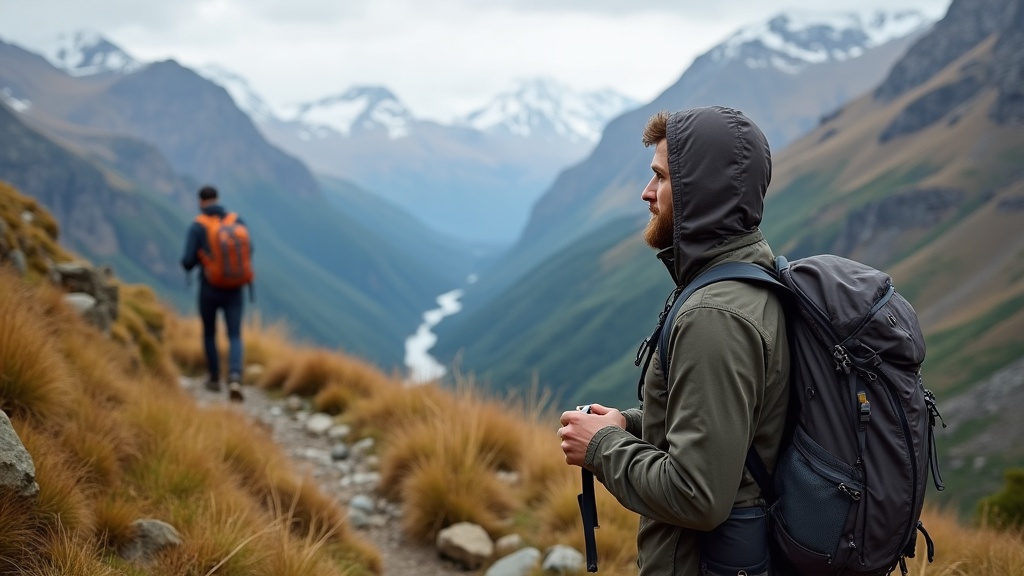
NZ tracks love stairs, mud, and sudden elevation. Your pack should move with you, not wrestle you.
Fit Checklist
- Hip belt carries 70%+ of weight
- Shoulder straps follow curve — no gaps
- Load lifters snug but not crushing
- Try with real gear, not shop towels
| Trip length | Target weight |
|---|---|
| Day hike | 5–8 kg all in |
| Overnight hut | 10–14 kg |
| Multi-day Great Walk | 12–16 kg disciplined |
Every kilo matters more on steep tracks. Cut duplicate layers. One good rain system beats three maybes.
Repack at the trailhead. Ten minutes adjusting straps saves hours of shoulder pain.
Loading the Pack Smart
Heavy items close and high. Snacks accessible. Rain gear not buried under camp kitchen.
- Sleep system bottom if multi-day
- Water weight centred
- First aid and shell on top
Weigh your pack before a big trip. Guessing “feels fine” in the lounge lies on hour four uphill.
Cut duplicate items ruthlessly. Two spare warm layers sound prudent until the first climb.
On steep NZ tracks, every kilo matters — see poles if load is unavoidable.
Hip belt bruising means poor fit or overloaded pack. Adjust at home repeatedly, not only on track when frustrated.
Use compression straps to stop load shift on river crossings. Stable pack equals fewer falls.
Re-weigh after removing “just in case” items. Most people still overpack food on NZ day walks.
Hip belt padding compresses over years — older packs may need reassessment even if “still fine”.
Share gear lists with hiking partners before packing duplicates of heavy items.
Quick FAQ
Is this suitable for beginners? With honest fitness and weather checks, often yes — but always read DOC track alerts first.
Do I need bookings? Peak season almost always yes for transport and often for popular carparks at dawn.
What if weather turns? Turn back early. New Zealand rewards humility more than summit photos.